We install and run the generators ourselves — from 3D models and video to sound effects. We write down how much VRAM each needs, what runs on CUDA and what works on Apple MPS and AMD ROCm, which is open source and which is a cloud subscription.
We read visitors’ search queries and write about them — ask right here.

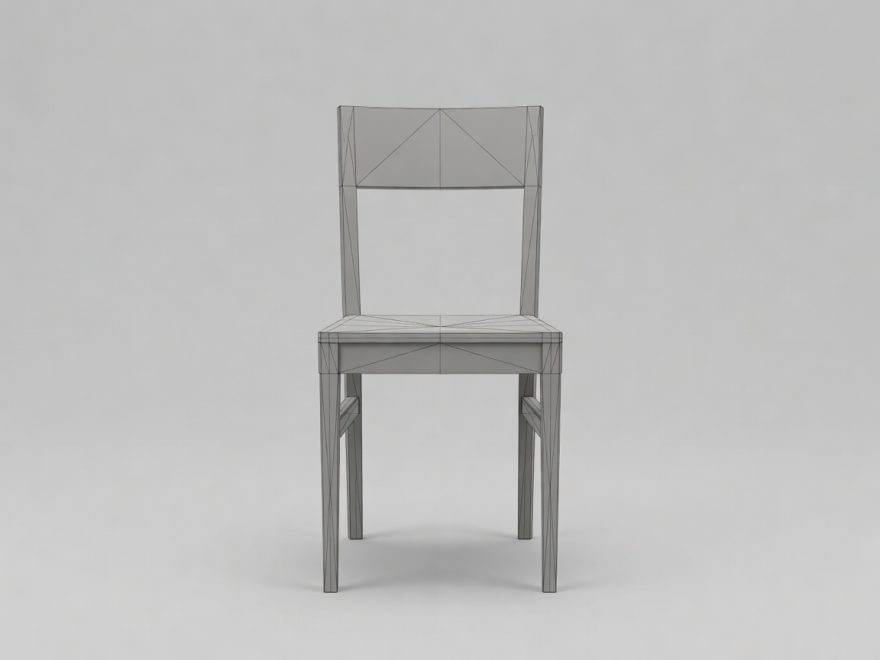
“a clay teapot
with a faceted lid,
low-poly”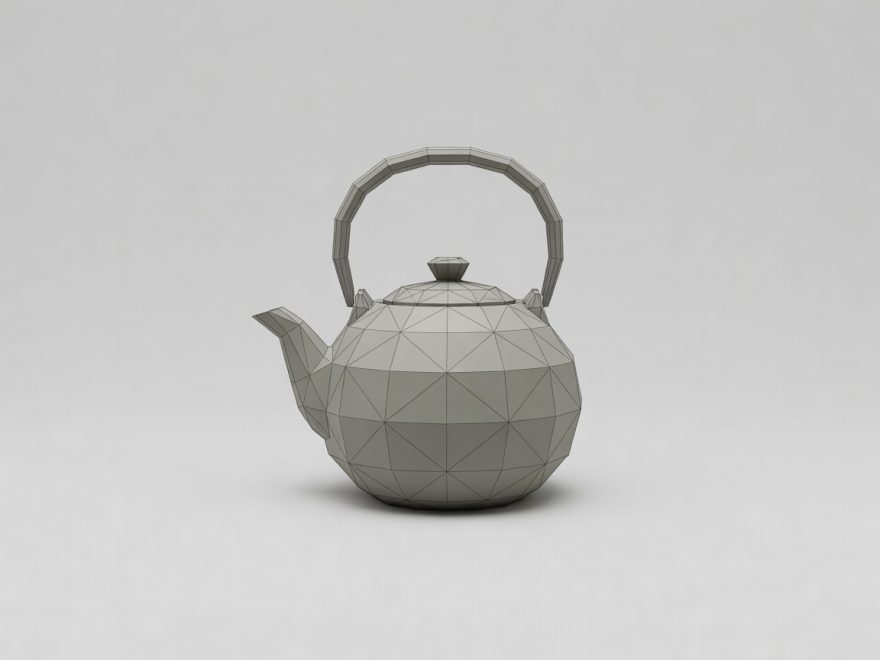


“rain on a tin roof,
distant thunder”The illustrations are AI-generated — examples of what the catalogued tools do, not their live output. Memory thresholds come from the fact sheets.
What runs locally
The whole tool database →Pick a type, a chip — CUDA, Apple MPS or AMD ROCm — and a VRAM ceiling. What remains are the models that actually start. Requirements are as described by the authors, with a source and check date for every value.
| Tool | Type | Runs | VRAM | Backends | Formats |
|---|---|---|---|---|---|
| LTX-Videoimage-to-video | Video | open source | from 1 GB * | Apple MPS | — |
| ChatTTStext-to-audio | Audio | open source | from 4 GB * | — | — |
| Zero123++ | 3D | open source | from 5 GB * | — | — |
| Stable Fast 3Dimage-to-3d | 3D | open source | from 6 GB * | CUDAApple MPS | glb |
| threestudio | 3D | open source | from 6 GB * | CUDA | obj |
| TripoSRimage-to-3d | 3D | open source | from 6 GB * | CUDA | — |
| MMAudio | Audio | open source | from 6 GB * | CUDA | — |
| FramePack | Video | open source | from 6 GB * | CUDA | — |
Showing the most accessible by VRAM threshold. Cloud services need no VRAM — they need a subscription: they are in their own list.
 2026-10-27
ComfyUI v0.43.0: MOSS-image support, new partner nodes and Pad Image
The ComfyUI launcher tool has released v0.43.0. The GitHub changelog includes MOSS-image support with bit-depth control and rope scaling, new partner nodes for…
2026-10-27
ComfyUI v0.43.0: MOSS-image support, new partner nodes and Pad Image
The ComfyUI launcher tool has released v0.43.0. The GitHub changelog includes MOSS-image support with bit-depth control and rope scaling, new partner nodes for…
Fresh arXiv papers and model releases — briefly, with a note on what you can already run yourself.
From points to a model
This is how every 3D generator works: first a point cloud, then a surface, then materials. Click and we show it step by step. The page stays light when opened: the frames load only when you ask.

The frames load only now, not when the page opens. They are AI-generated illustrations — a real viewer will appear when our “3D from a picture” tool goes live.
Fresh generator reviews
LatestMost read ComfyUI v0.43.0: MOSS-image support, new partner nodes and Pad ImageThe ComfyUI launcher tool has released v0.43.0. The GitHub changelog includes MOSS-image support with bit-depth control and rope scaling, new partner…
 Hi3D v1.0: 3D Generator — What It Does and What You Need to Run ItHi3D v1.0 is an open source 3D generator that handles image-to-3D: you feed it an image and get 3D geometry out. The developer positions the project a…
 Baidu releases Unlimited-OCR-2 with unlimited-length document parsingBaidu published the Unlimited-OCR-2 model on HuggingFace with the image-text-to-text task. The release took place on October 26, 2026. The main change…
 OpenSpline: video generator — what it does and what you need to run itOpenSpline is an open source video generator that creates an animated talking avatar in real time. The project is designed to pair with voice AI: the…