threestudio: 3D generator — what it does and what you need to run it
threestudio is not just a generator, but a unified software environment (framework) for creating 3D content. This open-source tool is designed for researchers and developers who want to build, train, and test various 3D generation models using a single codebase.
What it does
The authors position the project as a "unified framework for 3D content generation." This means that threestudio provides a ready-made infrastructure for experimenting with different approaches to creating 3D objects, rather than a single model.
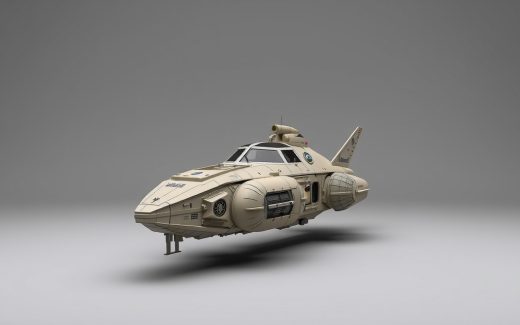
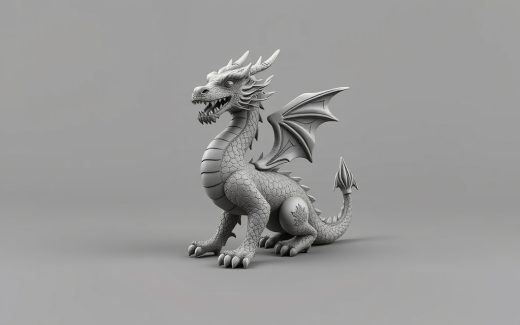
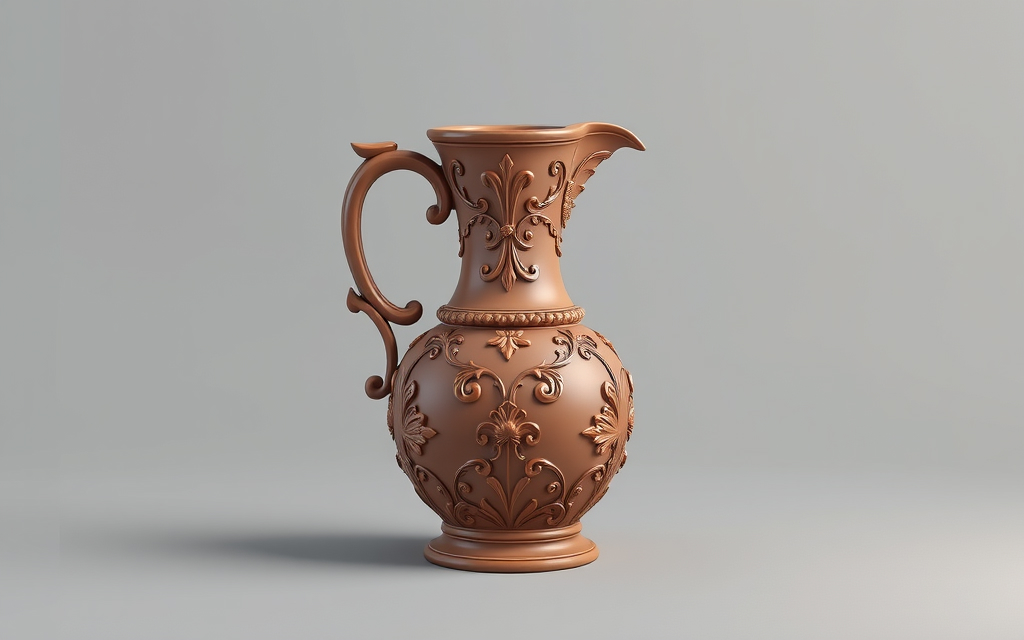
As described by the author, the output can be exported as textured polygonal meshes. Export to the obj format combined with mtl (materials) is supported, as well as export to obj with vertex colors.
What you need to run it
This is a local tool that runs on your own hardware. The authors do not provide a cloud service.
System requirements, verbatim as described by the developer:
- GPU: an NVIDIA GPU with CUDA support is required.
- VRAM: at least 6 GB.
- Platform: CUDA installation is mandatory.
The project code is written primarily in Jupyter Notebook and is distributed under the Apache-2.0 license. The source code is available in the repository at github.com/threestudio-project/threestudio. The latest code update dates to December 16, 2024, and the latest release is version v0.1.0.
Who it is for
The tool is aimed at technically proficient users: researchers in computer graphics, neural network developers, and enthusiasts familiar with the NVIDIA and CUDA ecosystem. threestudio suits those who need not a ready-made "out-of-the-box" program, but a flexible platform for building custom generation pipelines.
It is not suitable for artists or designers looking for a simple application with a graphical interface for quickly creating models "at the push of a button." The tool also will not run on computers without an NVIDIA GPU or with less than 6 GB of VRAM.
threestudio is an open-source research framework that allows you to assemble various 3D generation methods in one environment. To run it, you will need an NVIDIA GPU with 6 GB of memory and CUDA installed, and the output can be saved in the common obj format.
Fact sheet
| Code license | Apache-2.0 source |
|---|---|
| Platform | CUDA per the author’s description source |
| VRAM | 6 GB per the author’s description source |
| Export formats | obj per the author’s description source |
| Language | Jupyter Notebook source |
| Last code change | 2024-12-16 source |
| Repository created | 2023-04-06 source |
| Latest release | v0.1.0 source |
|---|---|
| Release date | 2023-05-11 source |
| GitHub stars | 7061 source |
| Forks | 554 source |
Values are collected automatically from official sources and were checked on 2026-09-03. Each one links to its source, and values taken from the developer’s pages also carry a verbatim quote — hover over the note. Pricing and versions are shown as of the check date and change most often; verify on the vendor’s site before buying.